Shaukat Khan
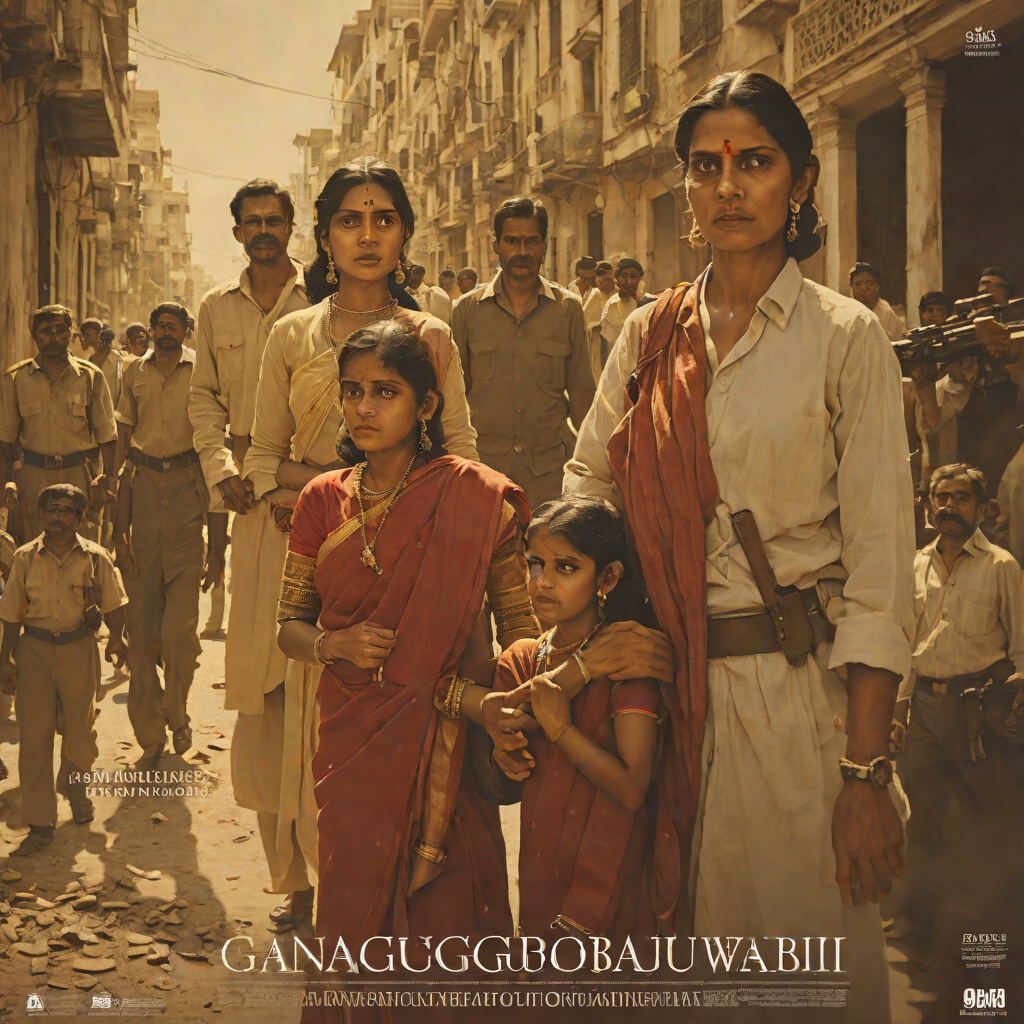
Mafia Queens of MumbaiShaukat Khan appears in the narrative of Gangubai Kathiawadi as a violent Pathan whose actions inadvertently reshape the power dynamics of Kamathipura. He is a member of the Karim Lala gang, a connection that Gangubai discovers only after she begins investigating the man who brutalized her. Khan's identity is initially unknown to her; she learns his name and affiliation through one of her clients, a piece of intelligence that sets the stage for a confrontation with the gang's leader. His role in the story is defined less by his own character than by the consequences of his brutality, which force Gangubai to seek protection from a higher authority in the underworld.
Identity and Introduction
Shaukat Khan is introduced into the narrative as a recurring threat to Gangubai. He is a Pathan, a fact that carries weight in the context of the Mumbai underworld, where ethnic and regional identities often define gang affiliations. His association with the Karim Lala gang places him within the orbit of one of the most feared criminal organizations in south Mumbai at the time. Karim Lala, whose real name is Abdul Karim Khan, heads the Pakhtoon Jirgai Hind, a Pathan organization, and is known for his aggressiveness and his respect for women. Khan's membership in this gang gives him a certain impunity, but it also makes him subject to the authority of its leader, a fact that Gangubai shrewdly exploits.
The first encounter between Gangubai and Khan is marked by extreme violence. He storms into her room while she is with another client, throws the man out naked, and latches the door. The assault leaves Gangubai's body bruised and bitten all over, and she is hospitalized and forced to lie in her room like an invalid for weeks. This initial attack is followed by a second, even more brutal one a month later, when Khan returns drunk and, despite Gangubai's attempts to summon help, beats her again. The pattern of violence establishes Khan as a predator who believes he can act with impunity within the brothel, and it is this belief that ultimately leads to his downfall.
The Path to Confrontation
Gangubai's response to Khan's violence is not immediate. She is initially angry with herself for her helplessness and with Sheela, the brothel's madam, for failing to solve the problem. But after a bitter argument with Sheela, Gangubai decides to take matters into her own hands. She realizes that if she remains quiet, it will set a precedent for bigger problems in the future. This calculation marks a turning point in her character, as she moves from victim to strategist. She begins making enquiries about the man, and through one of her clients, she learns his name and his connection to the Karim Lala gang.
Despite the warnings of the other girls, including Sheela, who try to dissuade her from meeting Karim Lala because of his reputation for aggressiveness, Gangubai remains obstinate. She accosts him one Friday afternoon, after he has finished offering his Jumma namaaz, as he walks towards his home at Tahir Manzil in Lamington Road. She has been waiting outside Baida Galli, the lane that leads to his home. In their conversation, Gangubai offers herself as his concubine for life if he will punish his men for their wrongdoing. Karim Lala, whose face grows red at the audacity of her offer, tells her he is a family man and asks who the person is. When she names Shaukat Khan, Karim Lala claims not to know of any such man, but Gangubai insists she has made enquiries.
The Punishment of Shaukat Khan
Karim Lala's response to Gangubai's complaint is delayed but decisive. It is three weeks before he comes to the brothel again, and in the meantime, Khan returns, more aggressive and vicious than before. Gangubai decides to fully cooperate with him until Karim Lala arrives on the scene. In less than ten minutes, she hears a loud thumping on the door. When Khan opens it, he is confronted by Karim Lala himself, along with two other Pathans, all holding hockey sticks. Khan's jaw drops, and he hurriedly puts on his trousers, looking for an escape, but Karim Lala drags him out of the brothel and begins beating him mercilessly with the hockey stick.
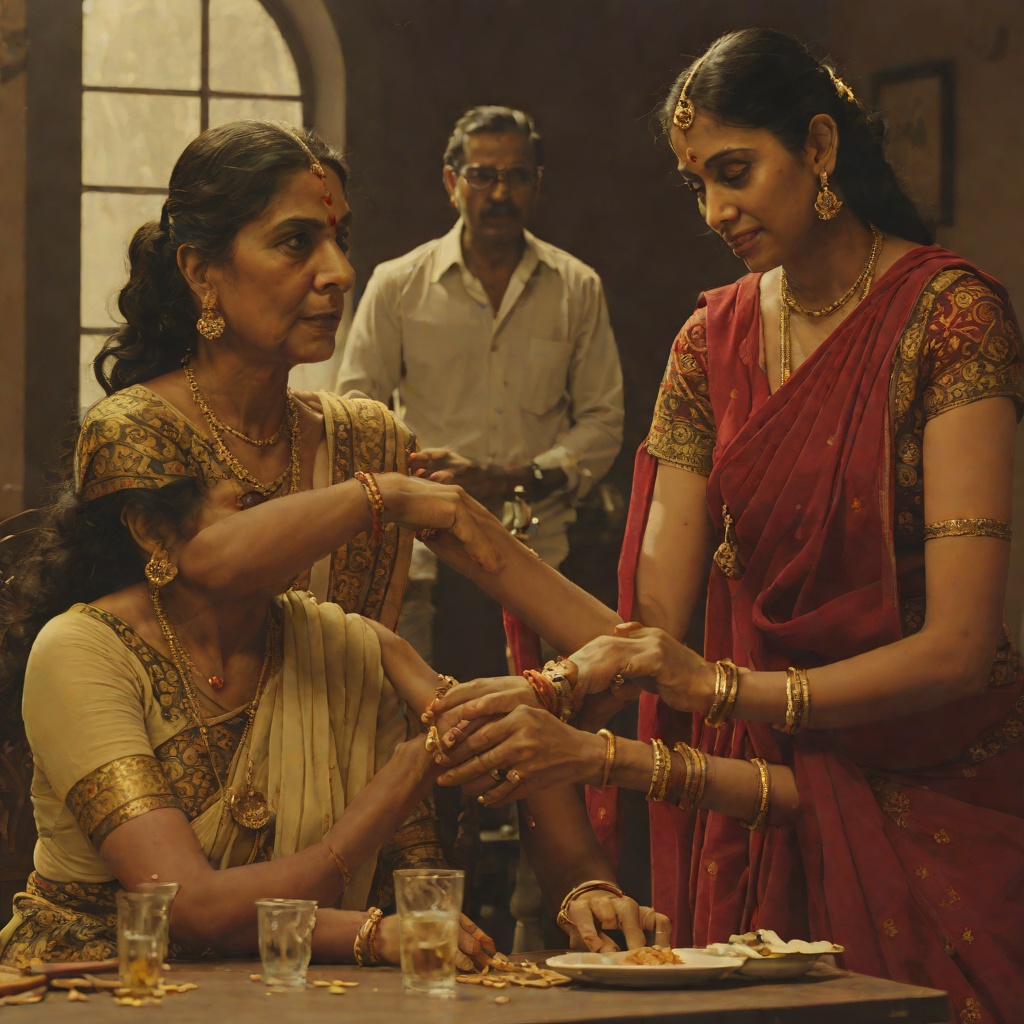
Khan tries to stop the beating and speaks to Karim Lala in desperation in Pashtoon, accusing him of going against his own race for a whore. This accusation further enrages Karim Lala, who kicks him hard in the stomach and knocks him on the head with the stick. 'Don't you dare call yourself a Pathan!' Karim Lala thunders. The beating continues until Karim Lala is satisfied that he has broken enough bones to render Khan an invalid for weeks. When he finally stops, he makes a public announcement that resonates throughout Kamathipura: 'Gangu is my rakhi sister. The next time anyone treats her badly, I will kill them.' This declaration marks the end of Khan's reign of terror over Gangubai and the beginning of her rise in the underworld.
Consequences and Significance
Shaukat Khan's punishment has far-reaching consequences that extend well beyond his own suffering. For Gangubai, it is a transformative moment. People in Kamathipura begin to treat her differently, and her connection with the most feared gangster in south Mumbai puts her on another pedestal altogether. Nobody, not even Sheela, dares to take advantage of her anymore. An entirely new world opens up to Gangubai, and under the tutelage of her rakhi brother, she begins to develop strong ties with the Nagpada police and the underworld. This new status enables her to become the powerful brothel madam who later advocates for prostitution belts, speaks at the Azad Maidan conference, and secures an appointment with Prime Minister Jawaharlal Nehru.
Khan himself disappears from the narrative after his punishment, his role in the story complete. He serves as a catalyst for Gangubai's transformation, a violent force that inadvertently empowers the woman he sought to dominate. His story illustrates a central theme of the book: that women in the criminal world are not merely passive victims but active agents who can navigate and manipulate the structures of power around them. Gangubai's decision to seek justice through Karim Lala, rather than through the police or by her own hand, demonstrates her understanding of the underworld's codes and her ability to use them to her advantage. Khan's brutality, intended to assert his dominance, instead becomes the occasion for Gangubai's elevation, a reversal that underscores the complex dynamics of gender and power in the Mumbai underworld.